What Treatments Can You Perform After Plasma Fibroblast Training? A Clinical Overview
Plasma Fibroblast therapy has become one of the most requested non-invasive procedures in aesthetic practice.
However, one of the most important questions for professionals considering this technique is:
What conditions can I actually treat safely and effectively after proper training?
This article provides a clear, clinically grounded overview of the main indications and what it truly takes to perform them with precision.
Understanding the Scope of Plasma Fibroblast Treatment
Plasma Fibroblast is not a “one-size-fits-all” treatment.
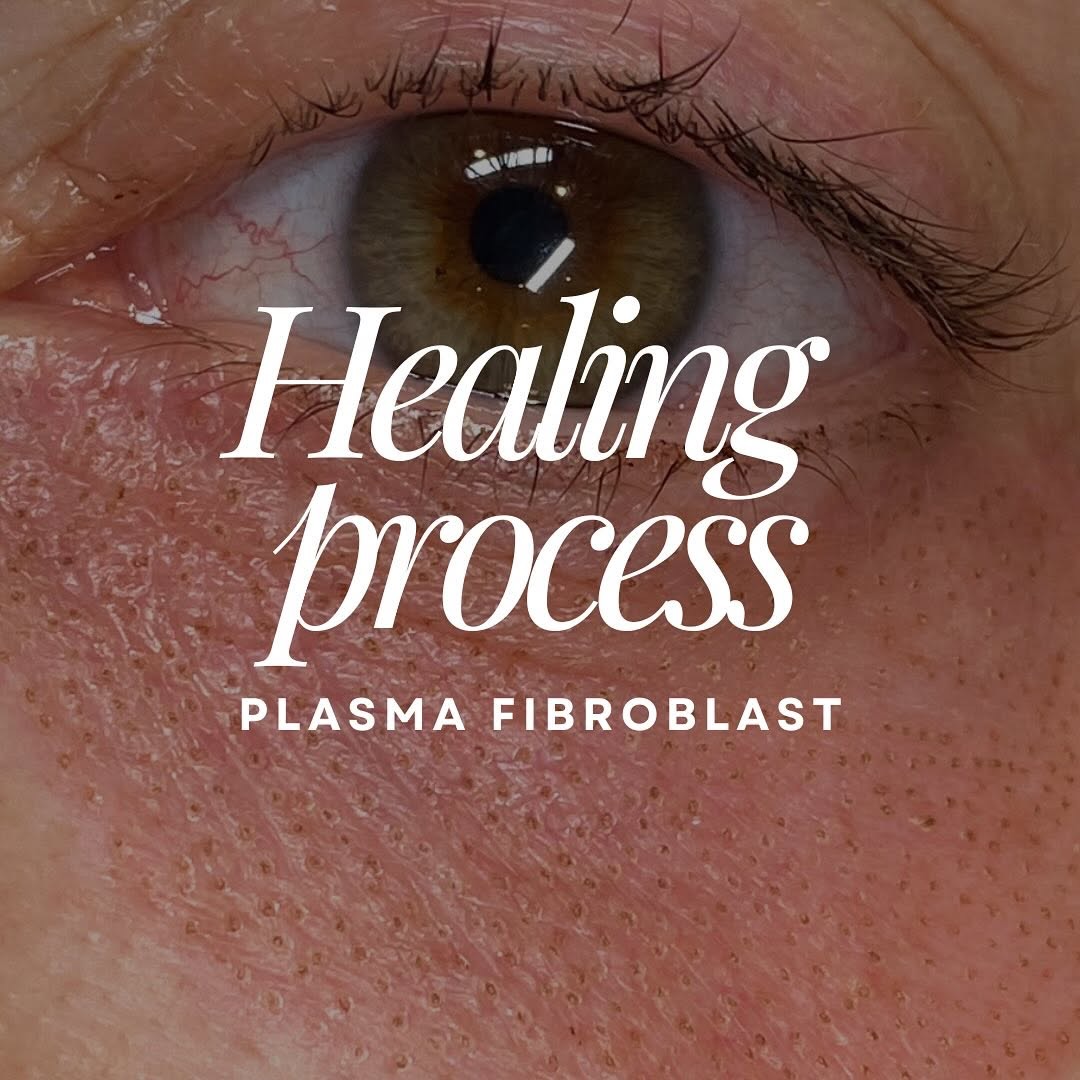
It is a controlled, superficial thermal technique that induces tissue contraction and stimulates a regenerative response through fibroblast activation, collagen remodeling, and elastin production.
Because of this mechanism, its application depends on:
- skin thickness
- vascularization
- level of structural damage
- healing capacity
This is why proper training is essential, not only to perform the treatment, but to select the right indication and approach.
1. Dynamic and Static Wrinkles
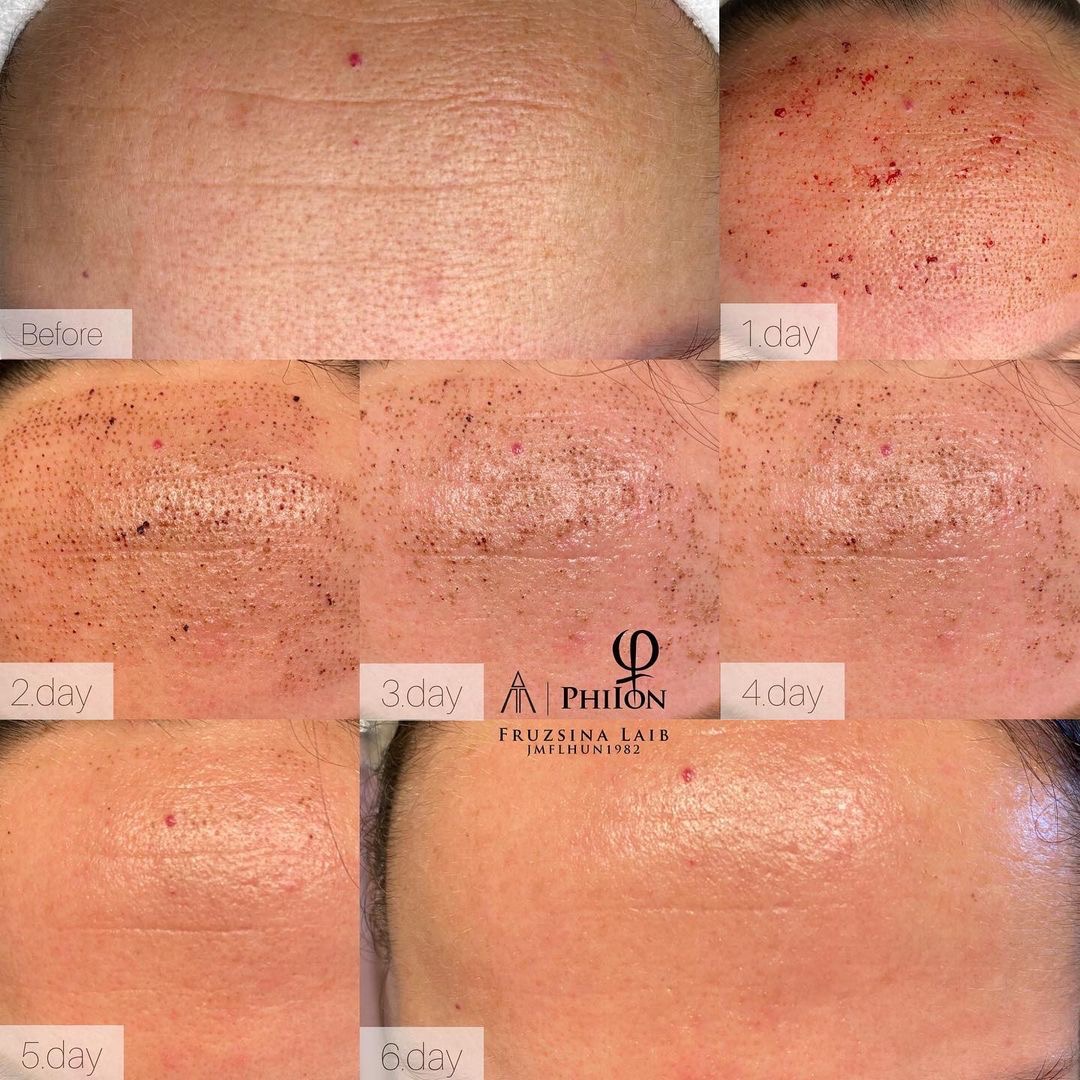
One of the primary applications of Plasma Fibroblast is the treatment of wrinkles.
Common areas include:
• Forehead lines
• Glabellar lines (frown lines)
• Perioral wrinkles (smoker’s lines)
These areas respond well due to:
- superficial skin redundancy
- collagen depletion
- reduced elasticity
Clinical success depends on precise depth control and pattern placement, avoiding excessive thermal damage.
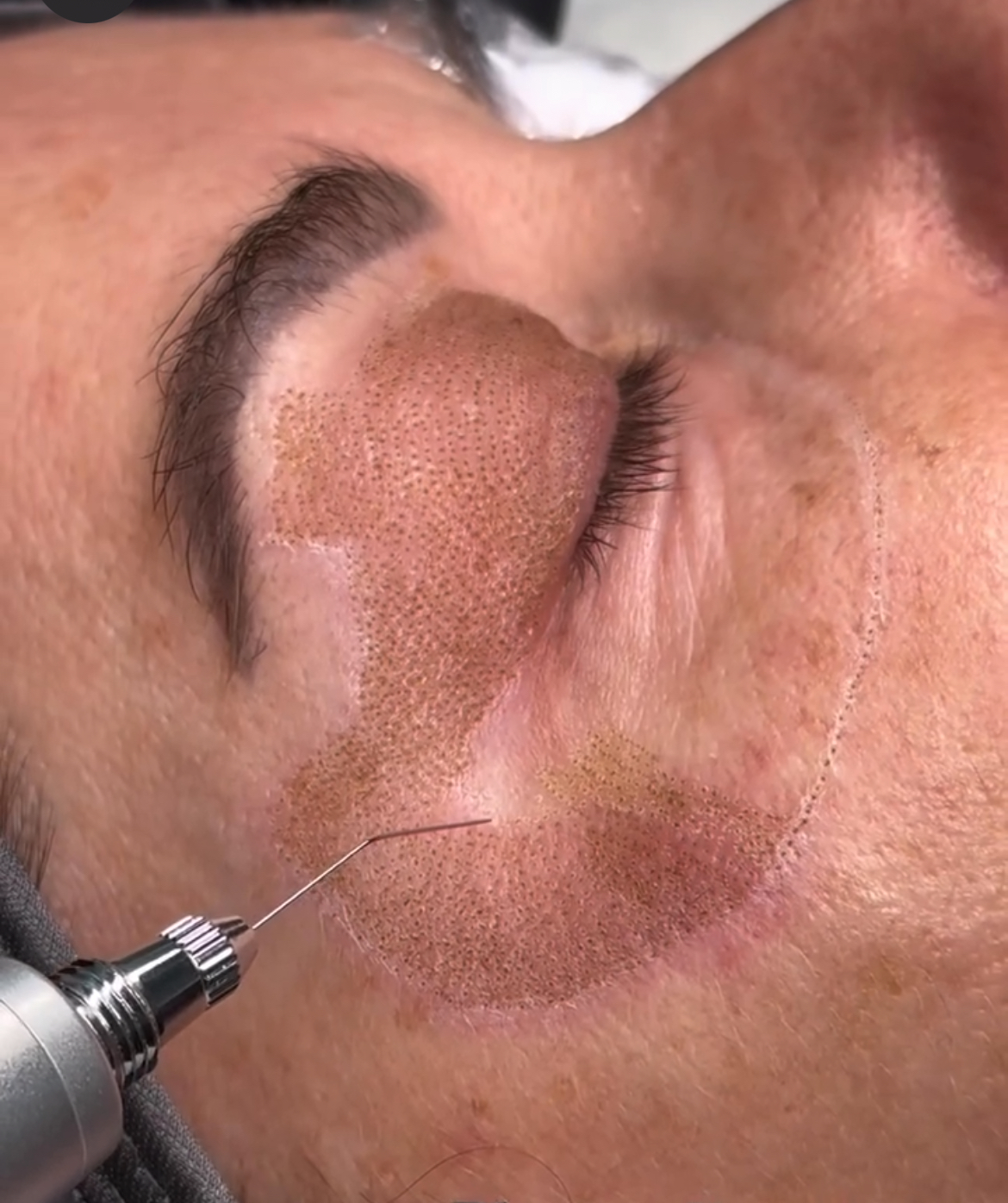
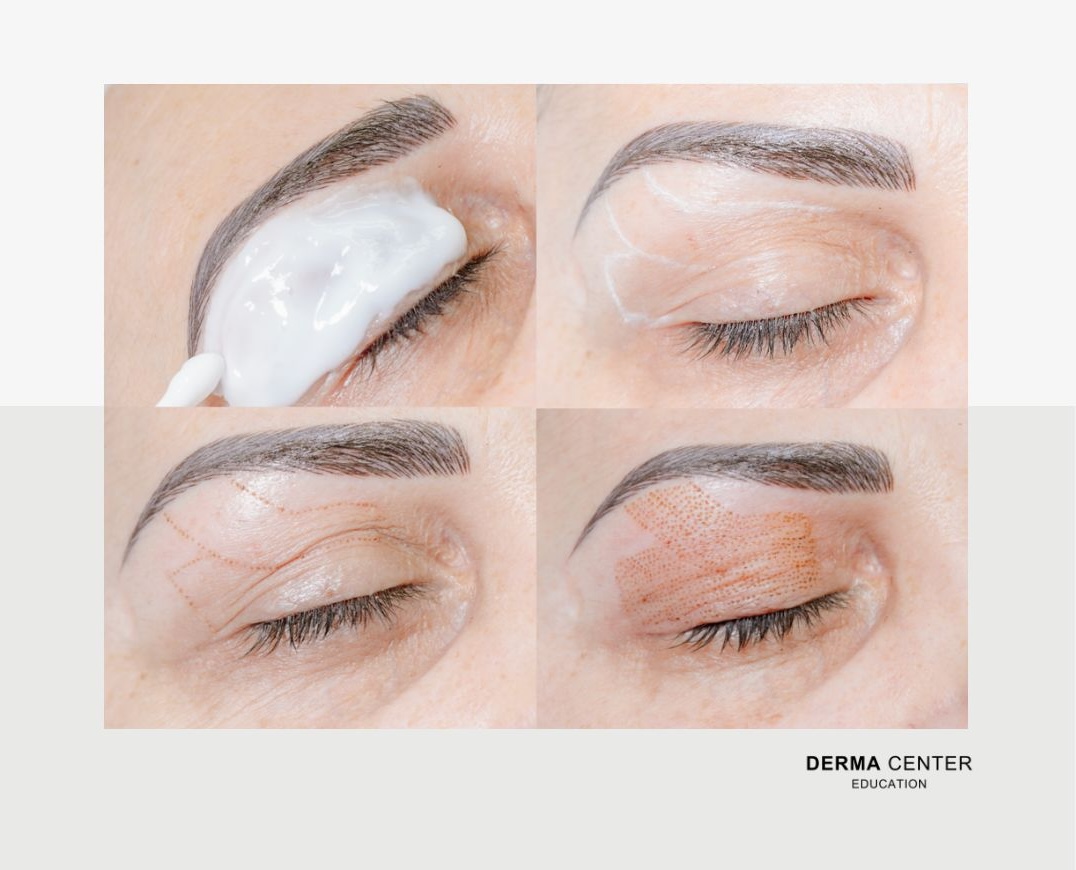
2. Periorbital Rejuvenation (Upper and Lower Eyelids)
The periorbital region is one of the most delicate and technically demanding areas.
Indications:
• Upper eyelid skin laxity
• Lower eyelid fine lines
• Under-eye crepey skin
Due to thin dermal structure and high vascularization, this area requires:
- low-energy protocols
- strict control of intensity
- careful spacing
When performed correctly, Plasma Fibroblast can provide visible tightening without surgical intervention.
3. Nasolabial and Mid-Face Areas
The nasolabial region presents a different challenge due to:
- thicker dermis
- dynamic movement
- structural volume changes
Plasma Fibroblast can improve:
• skin texture
• superficial laxity
However, results depend heavily on proper patient selection and realistic expectations.
4. Neck and Skin Laxity
Skin laxity is one of the most common aesthetic concerns.
Treatable areas:
• Neck
• Jawline (in selected cases)
• Mild to moderate skin redundancy
Plasma Fibroblast works by inducing immediate tissue contraction and long-term collagen remodeling, making it suitable for early to moderate laxity.
5. Acne Scars, Scars, and Stretch Marks
These indications require a deeper understanding of tissue structure and remodeling capacity.
Indications:
• Atrophic acne scars
• Surgical or traumatic scars
• Stretch marks (striae)
Unlike superficial treatments, these conditions involve:
- altered dermal architecture
- collagen disruption
This is where Plasma Fibroblast provides value through targeted stimulation and controlled tissue response, beyond what microneedling alone can achieve.
6. Removal of Benign Skin Lesions
Plasma Fibroblast can also be used for the removal of certain superficial skin imperfections.
Common indications:
• Milia
• Papillomas
• Seborrheic keratoses
• Fibromas
• Capillaries (selected cases)
• Xanthelasma
These procedures require:
- precise targeting
- controlled energy delivery
- strict hygiene and safety protocols
Improper technique can lead to complications, making training essential.
Why Technique Defines Outcomes
Across all these indications, one factor remains constant:
The outcome is determined by technique.
Not by the device.
Not by intensity.
But by:
- depth control
- dot spacing
- tissue assessment
- understanding of healing response
This is where many practitioners encounter limitations, applying the same approach to different conditions without adapting to the biology of the skin.
From Learning to Clinical Application
A structured Plasma Fibroblast training program should not only provide theoretical knowledge, but also:
• guided practical application
• supervised case analysis
• real-time feedback
• progressive skill development
Because the goal is not to perform a procedure
but to perform it safely, consistently, and with predictable results.
Plasma Fibroblast is a powerful and versatile tool in aesthetic practice, when applied correctly.
From wrinkles and eyelid tightening to scars and lesion removal, the range of indications is broad.
However, the key to success lies not in the treatment itself, but in:
understanding the skin, selecting the right cases, and executing the technique with precision.
Ready to Learn Plasma Fibroblast at a Professional Level?
If you want to develop the ability to safely treat these indications and achieve consistent results in your practice,
Explore the Plasma Fibroblast Professional Training Course
%202.JPG)