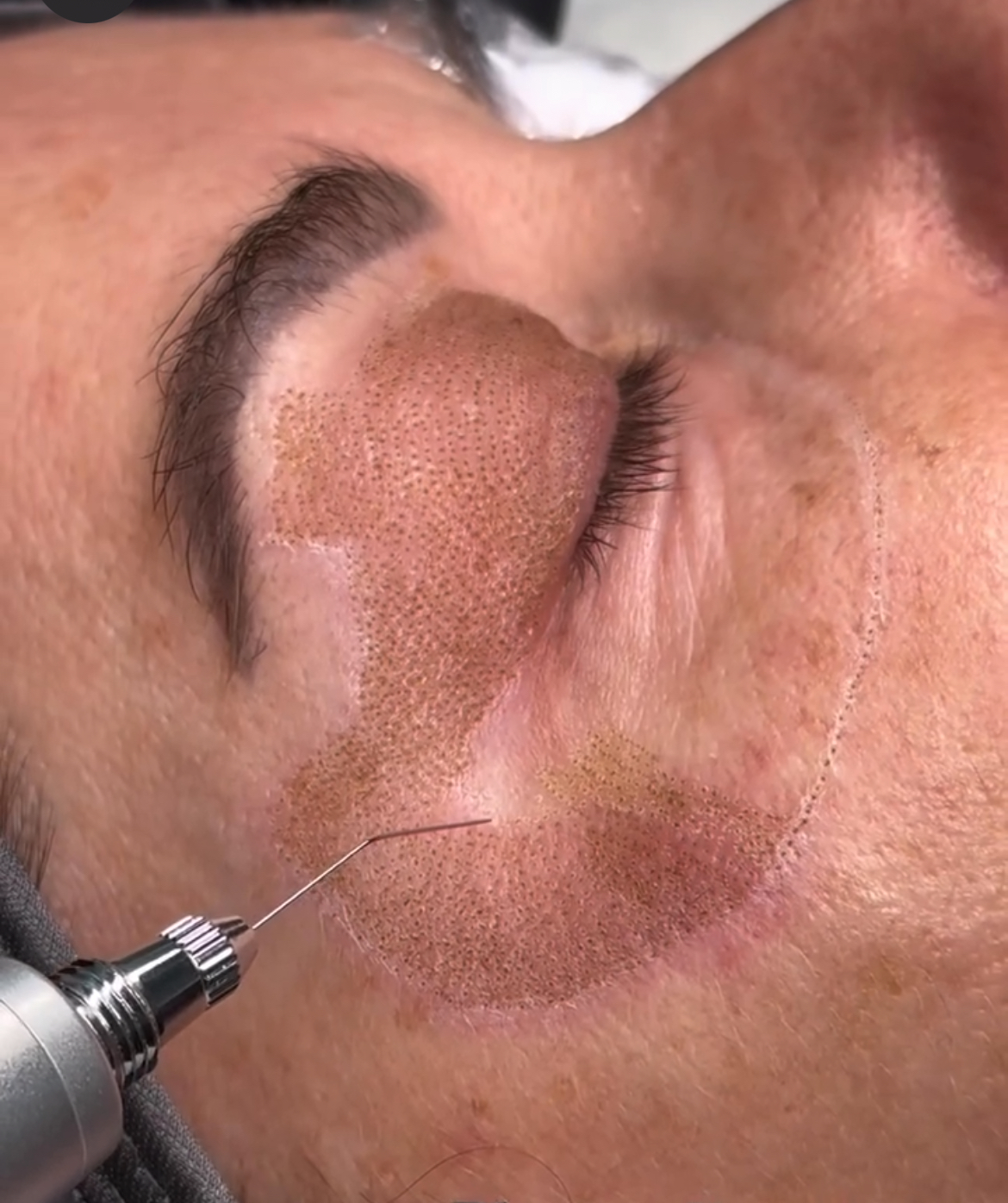
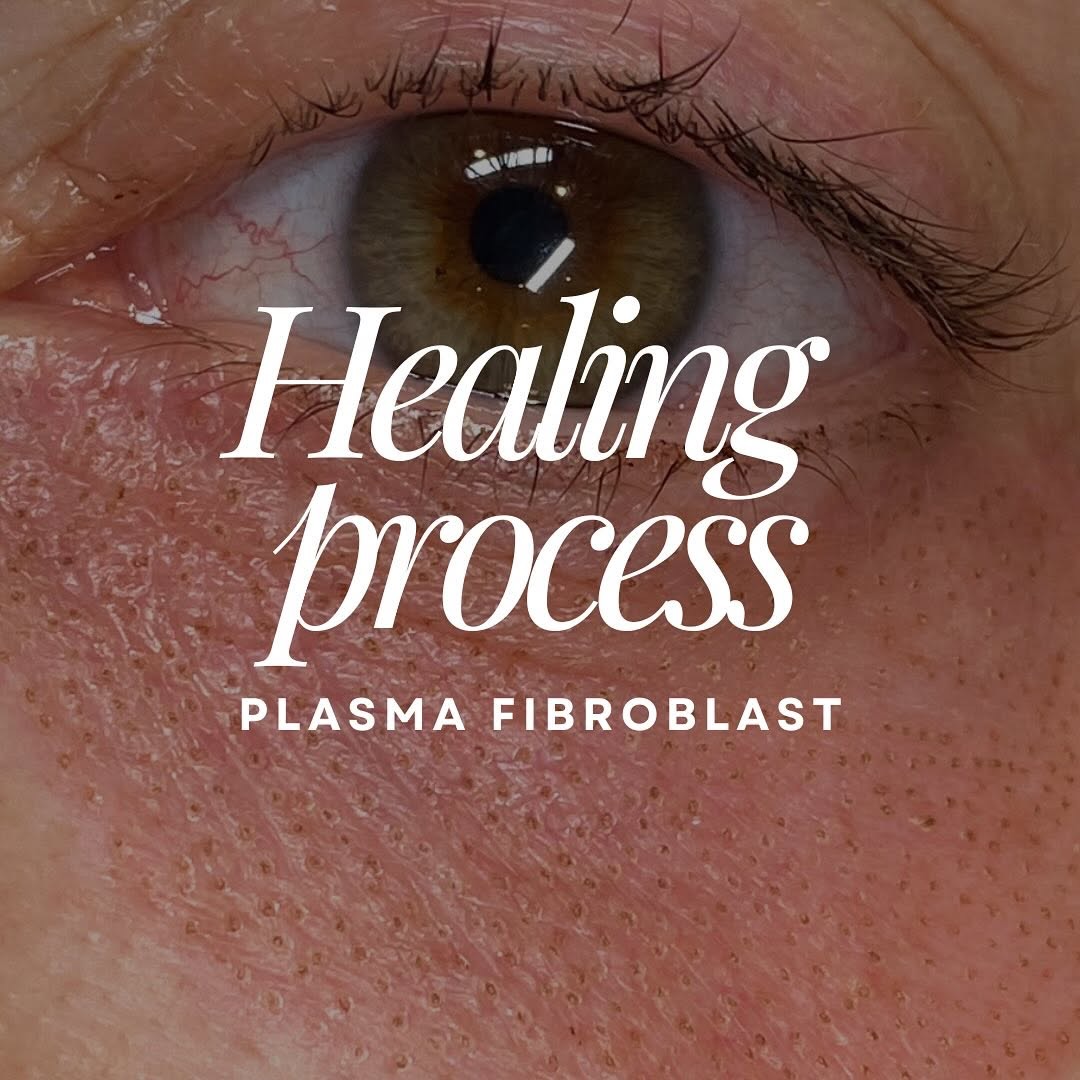
Plasma Fibroblast has become one of the most talked-about skin tightening and regeneration techniques in aesthetic medicine.
Its popularity on social media and in online courses has grown rapidly - but with that growth comes a serious responsibility.
Because Plasma Fibroblast is not a beauty trend.
It is a medical-grade tissue interaction technique that requires knowledge, precision, and ethical practice.
Plasma Fibroblast is not just a “treatment”
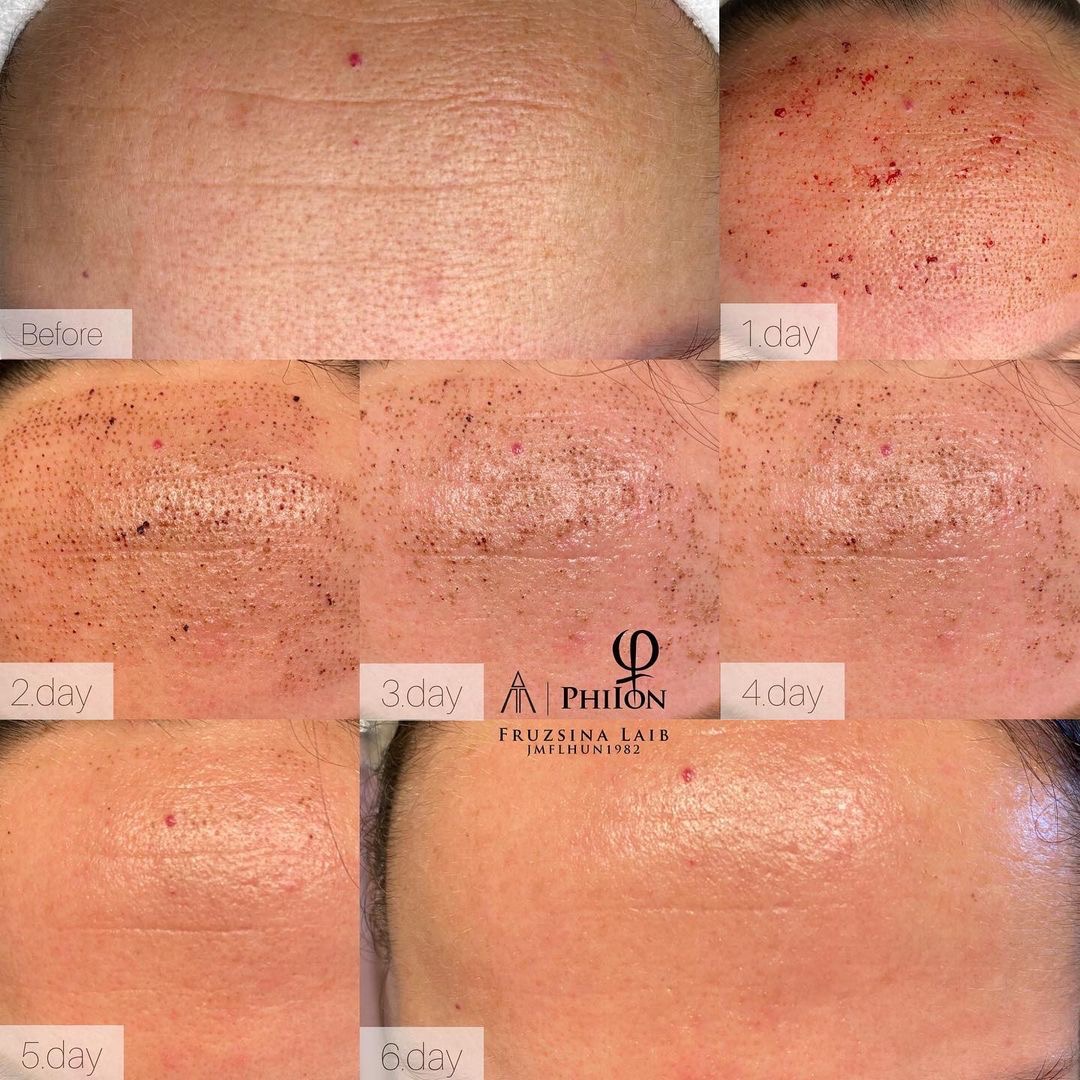
Plasma Fibroblast works by creating controlled micro-injuries in the skin using plasma energy.
These micro-injuries trigger contraction, fibroblast activation, collagen remodeling, and long-term skin tightening.
When performed correctly, this process produces beautiful, natural-looking results.
When performed incorrectly, it can lead to pigmentation issues, scarring, delayed healing, and long-term skin damage.
That is why Plasma Fibroblast must never be treated as a quick cosmetic procedure - it is a biological intervention.

Why experience and education matter
Many practitioners learn Plasma Fibroblast through short online videos or weekend courses.
They may learn how to place dots - but not why, where, or how deeply.
Professional Plasma Fibroblast requires:
- understanding skin thickness and elasticity
- recognizing indications and contraindications
- knowing how plasma energy affects different tissue types
- adjusting technique to each treatment zone
- planning treatments for healing and long-term results
Without this foundation, even the best device cannot protect the skin.
The difference between results and complications
Two practitioners can use the same plasma device and achieve completely different outcomes.
The difference is not the machine - it is decision-making, depth control, spacing, and clinical understanding.
Professional responsibility means knowing:
- when not to treat
- how to adapt energy and technique
- how to avoid over-treatment
- how to support proper healing
This level of responsibility protects both the client and the practitioner.
Plasma Fibroblast in a modern aesthetic practice
Today, Plasma Fibroblast should not be used as a standalone “trend treatment”.
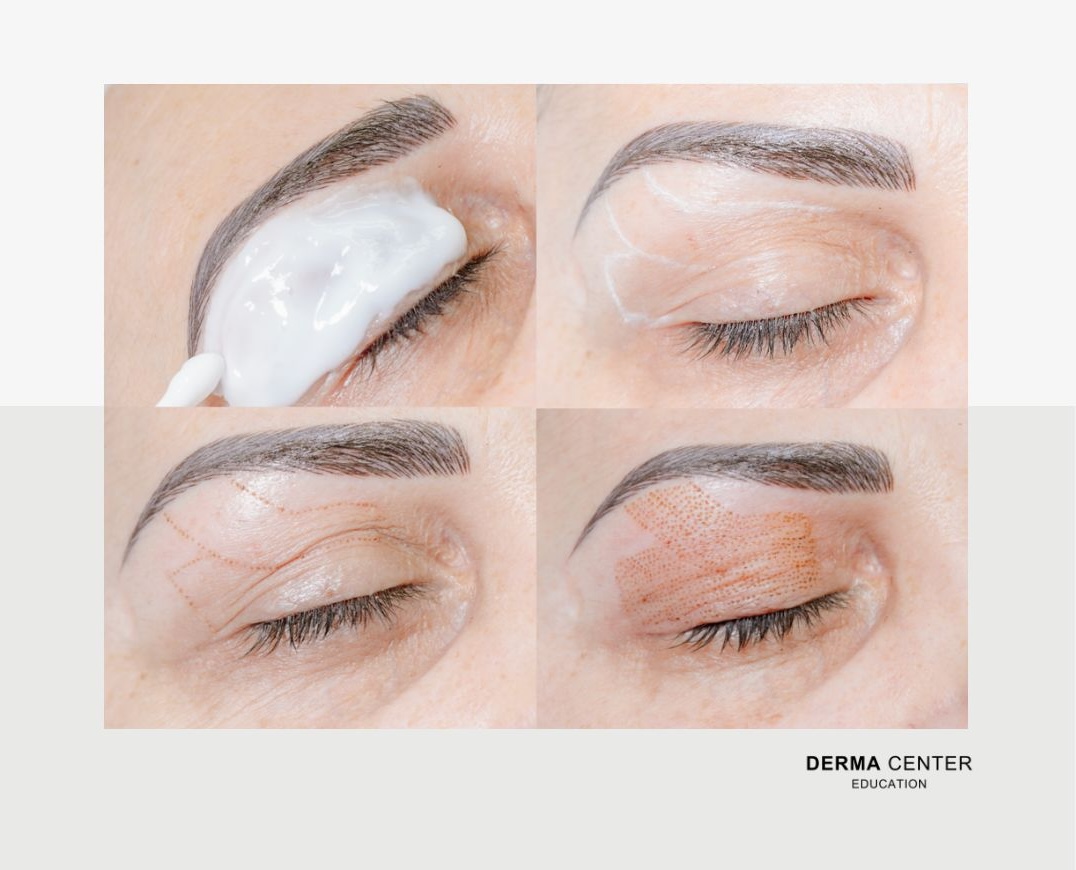
It should be part of a thoughtful, integrated approach that includes skin preparation, proper aftercare, and in many cases, complementary techniques such as microneedling or peels.
This is how long-term, healthy results are created.

Why professional training matters
Learning Plasma Fibroblast is not about collecting certificates.
It is about developing confidence, safety, and consistency in real practice.
Structured education, guided practice, and professional feedback are what transform a technique into a reliable clinical skill.
And that is what protects your clients, your reputation, and your future in aesthetics.
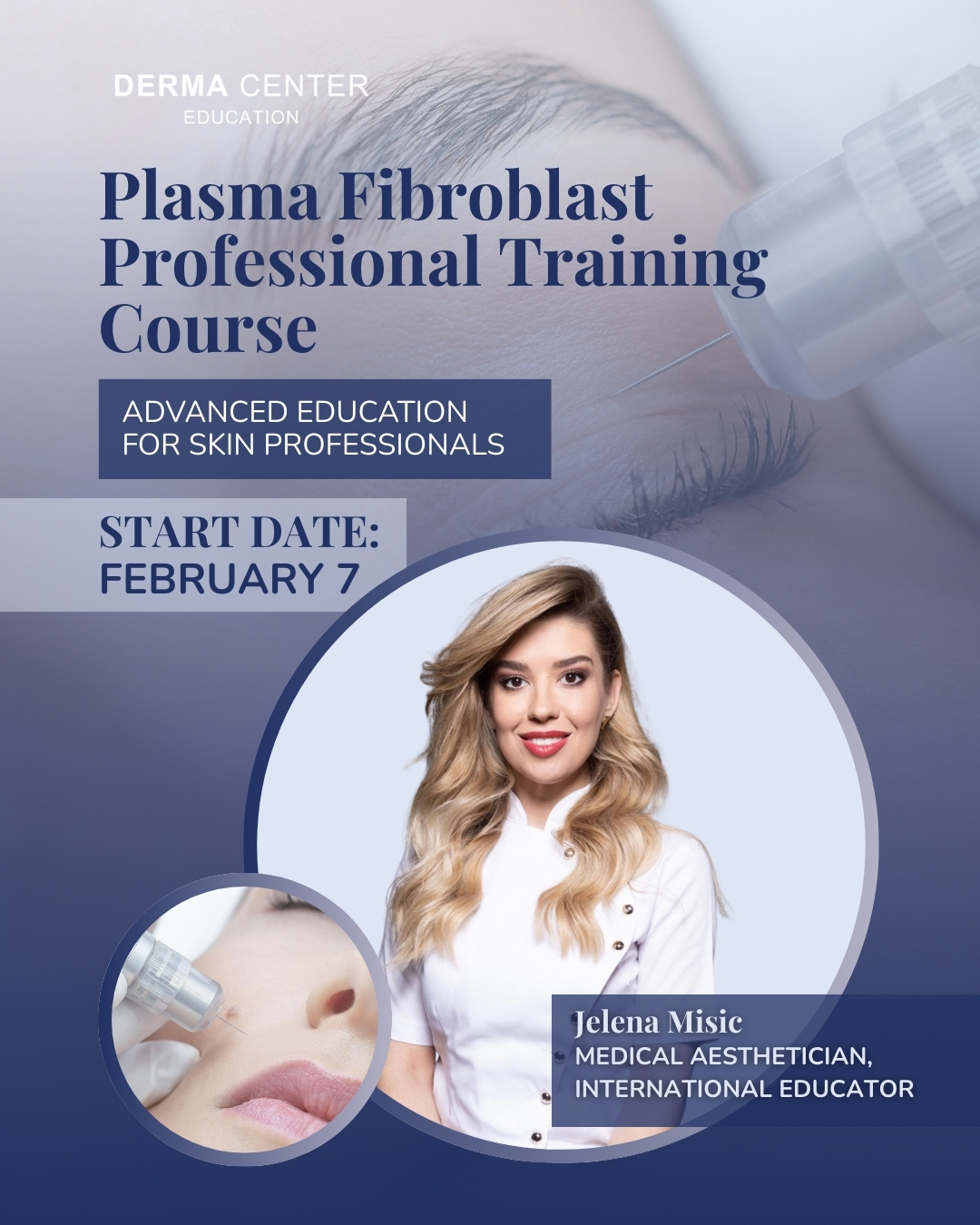
Plasma Fibroblast will continue to grow in popularity - but true professionals will always stand out by how responsibly they use it.
Mastery is not defined by how often you perform a technique.
It is defined by how well you understand what you are doing to the skin.
If you are committed to working with Plasma Fibroblast at a professional level, investing in deeper knowledge, structured training, and guided practice is always the right direction.
%202.JPG)