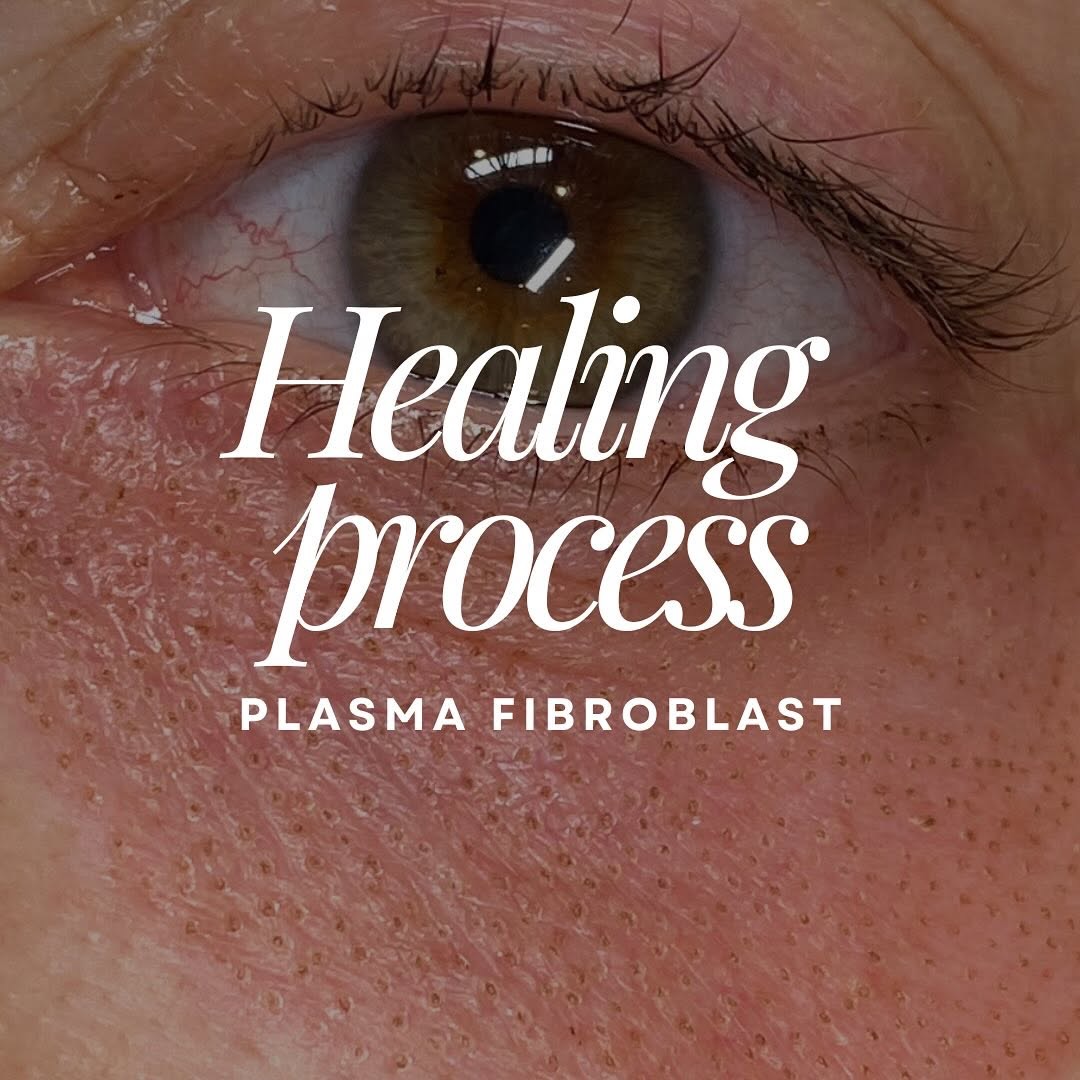
Plasma Fibroblast is known for its ability to tighten skin, stimulate collagen, and create visible lifting without surgery.
Yet in clinical practice, results can look dramatically different from one practitioner to another.
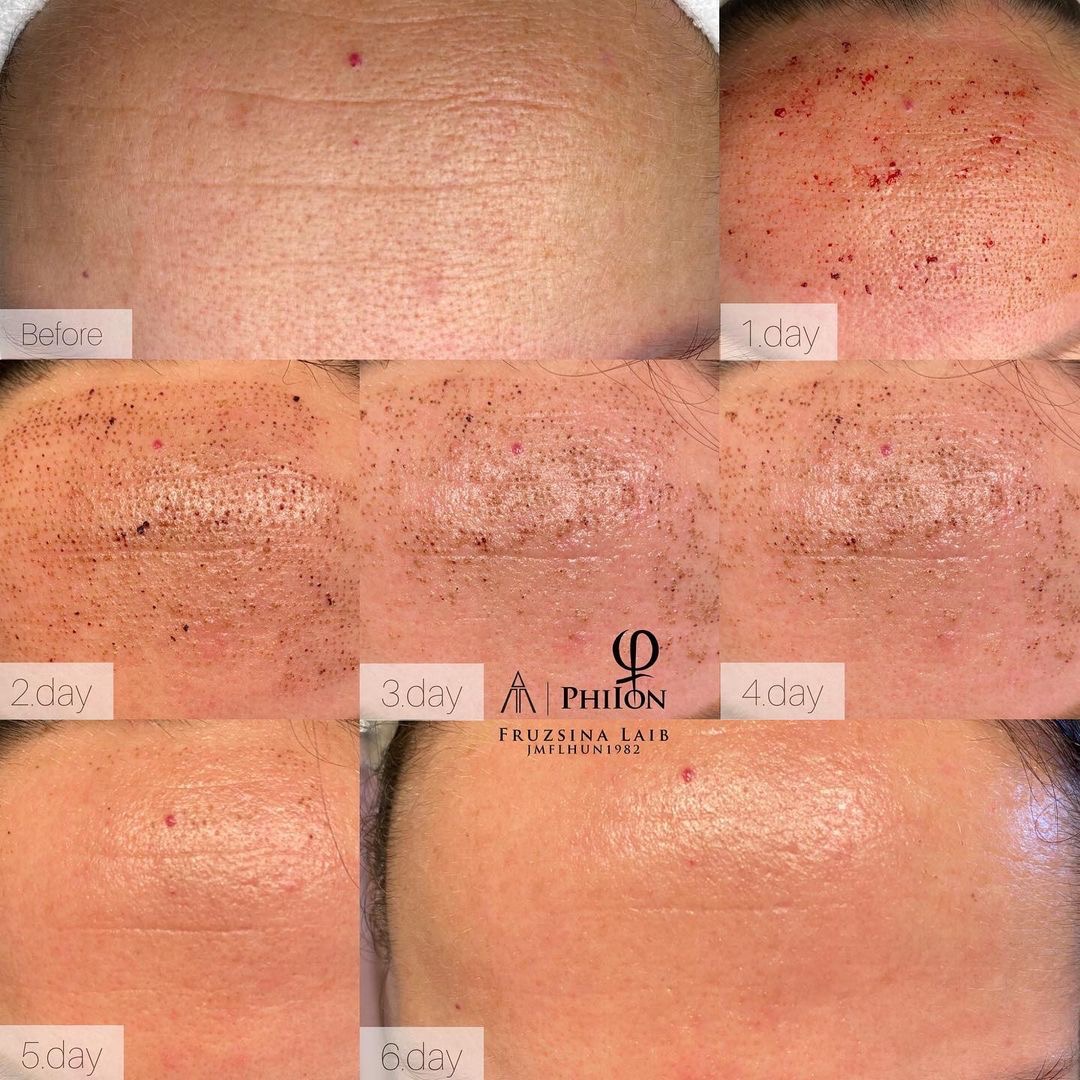
Some treatments heal smoothly, leaving the skin firmer, brighter, and more refined.
Others result in prolonged redness, pigmentation, uneven texture, or even scarring.
The reason is not luck.
It is technique, knowledge, and control.
Plasma Fibroblast is a controlled injury
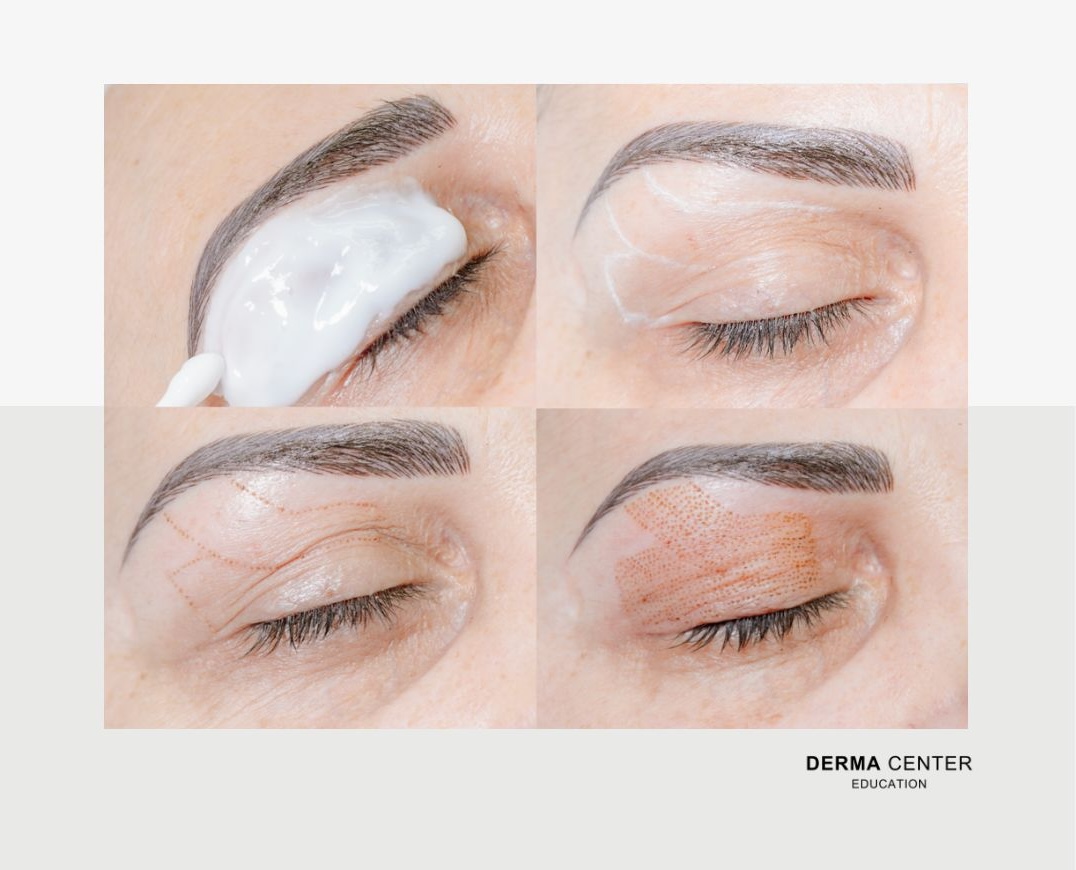
Plasma Fibroblast works by creating microscopic thermal points in the epidermis. These points trigger:
- immediate tissue contraction
- fibroblast activation
- collagen and elastin remodeling
For this process to remain regenerative and not destructive, the injury must stay within a precise biological window.
When plasma is applied too deeply, too densely, or on unsuitable skin, the body responds with inflammation, pigment stimulation, and fibrotic healing instead of regeneration.
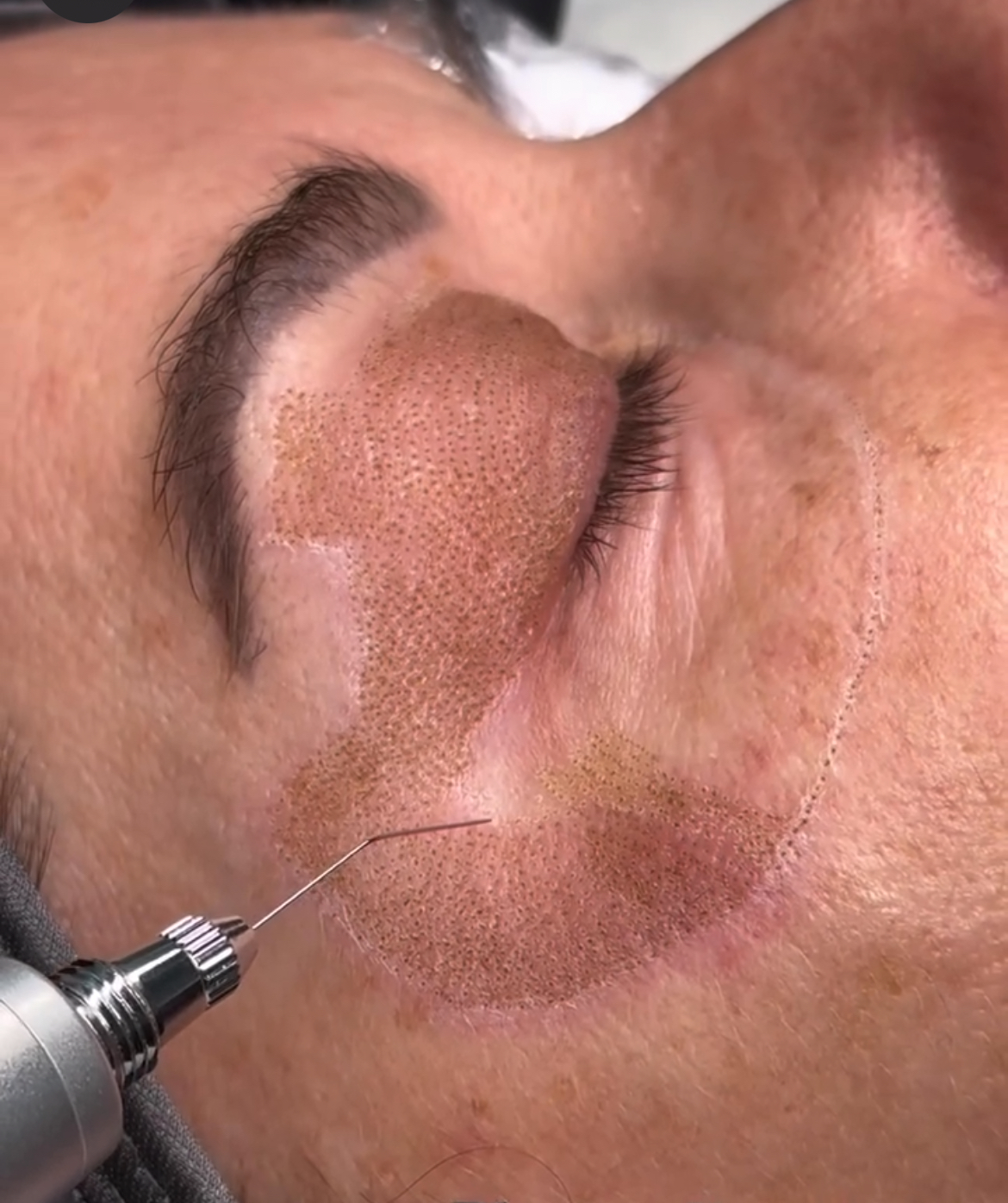
Why pigmentation happens
Post-inflammatory hyperpigmentation (PIH) is one of the most common complications after plasma treatments.
It is triggered by:
- excessive heat
- overly dense dot placement
- treating high-risk phototypes incorrectly
- treating inflamed or sensitized skin
The melanocyte response is a warning sign that the skin was overstimulated.
Why scarring happens
Scarring does not come from plasma itself — it comes from loss of depth control and tissue overload.
When the basal membrane or deeper dermal layers are affected, the body replaces normal regeneration with repair by fibrosis. This leads to:
- textural changes
- prolonged erythema
- hypertrophic or atrophic scars
These outcomes are almost always the result of:
- incorrect energy settings
- improper spacing
- poor zone selection
- or lack of understanding of skin thickness
The invisible skill: clinical judgement
Two practitioners can use the same device, yet only one achieves beautiful healing.
The difference lies in:
- skin assessment
- treatment planning
- depth control
- and the ability to stop before tissue is overstressed
This is not something a device can do for you.
Why experience alone is not enough
Many professionals have been “doing plasma” for years — yet still experience unpredictable healing in some clients.
That is because repetition without correction simply repeats the same mistakes.
Structured training, guided practice, and professional feedback are what refine:
- energy control
- spacing
- decision making
- and long-term outcomes
A professional approach to plasma
Beautiful plasma results are not created by being more aggressive.
They are created by being more precise.
The goal is not to burn.
The goal is to stimulate controlled regeneration.
When Plasma Fibroblast is used with knowledge and respect for skin biology, healing becomes predictable - and results become consistently beautiful.
For professionals who want to work at this level, investing in deeper education and guided mentorship is not optional. It is what protects both your clients and your career. Join the Plasma Fibroblast Professional training Course.
%202.JPG)