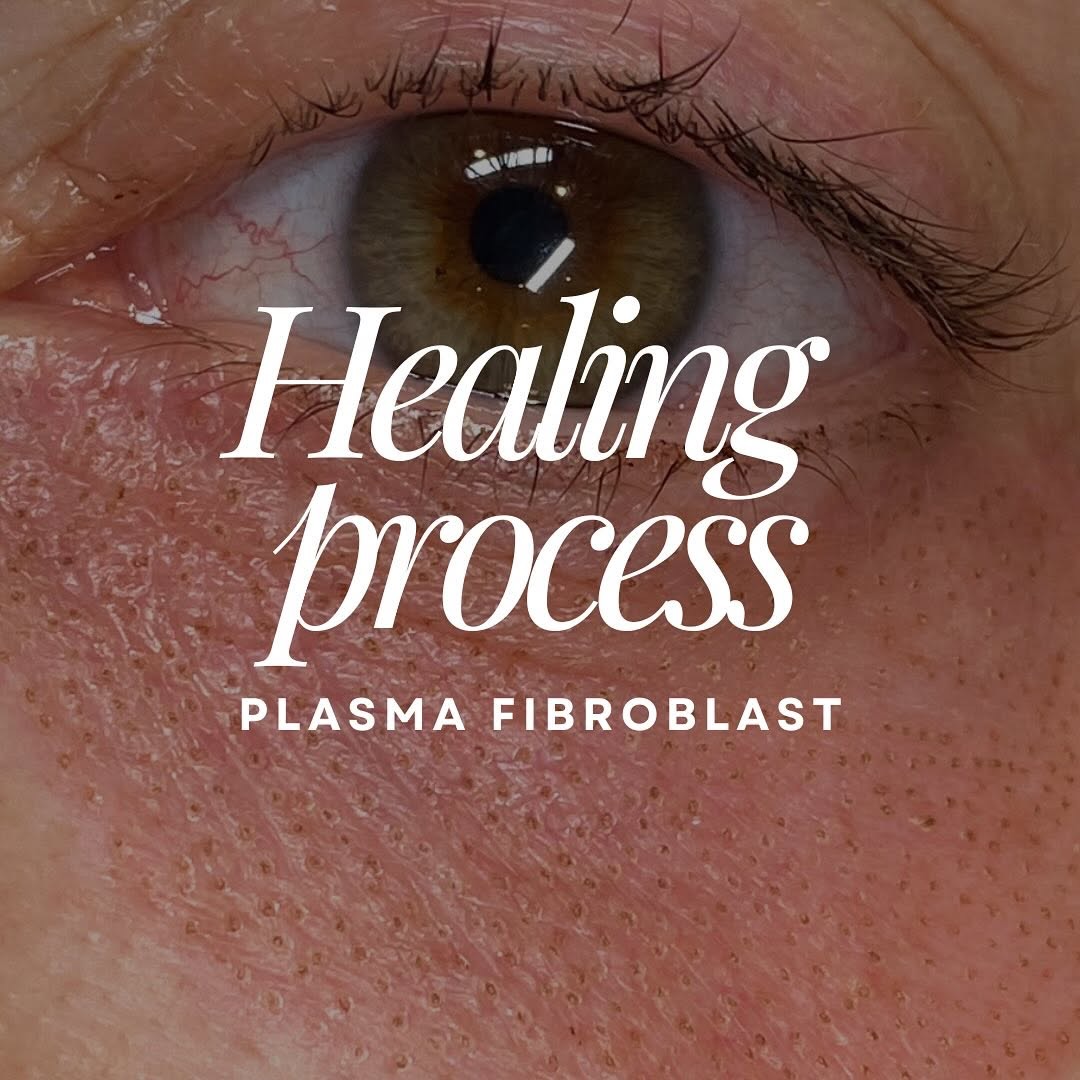
Healing Process Explained: What to Expect After a Plasma Fibroblast Treatment
Plasma fibroblast therapy has become an increasingly popular non-surgical aesthetic procedure for skin tightening and rejuvenation. While the results can be impressive, understanding the healing process is essential for both practitioners and clients to ensure optimal outcomes, safety, and client satisfaction.
This article provides a medically oriented overview of the healing stages, expected skin responses, and best practices for post-treatment care.
What Happens During a Plasma Fibroblast Treatment?
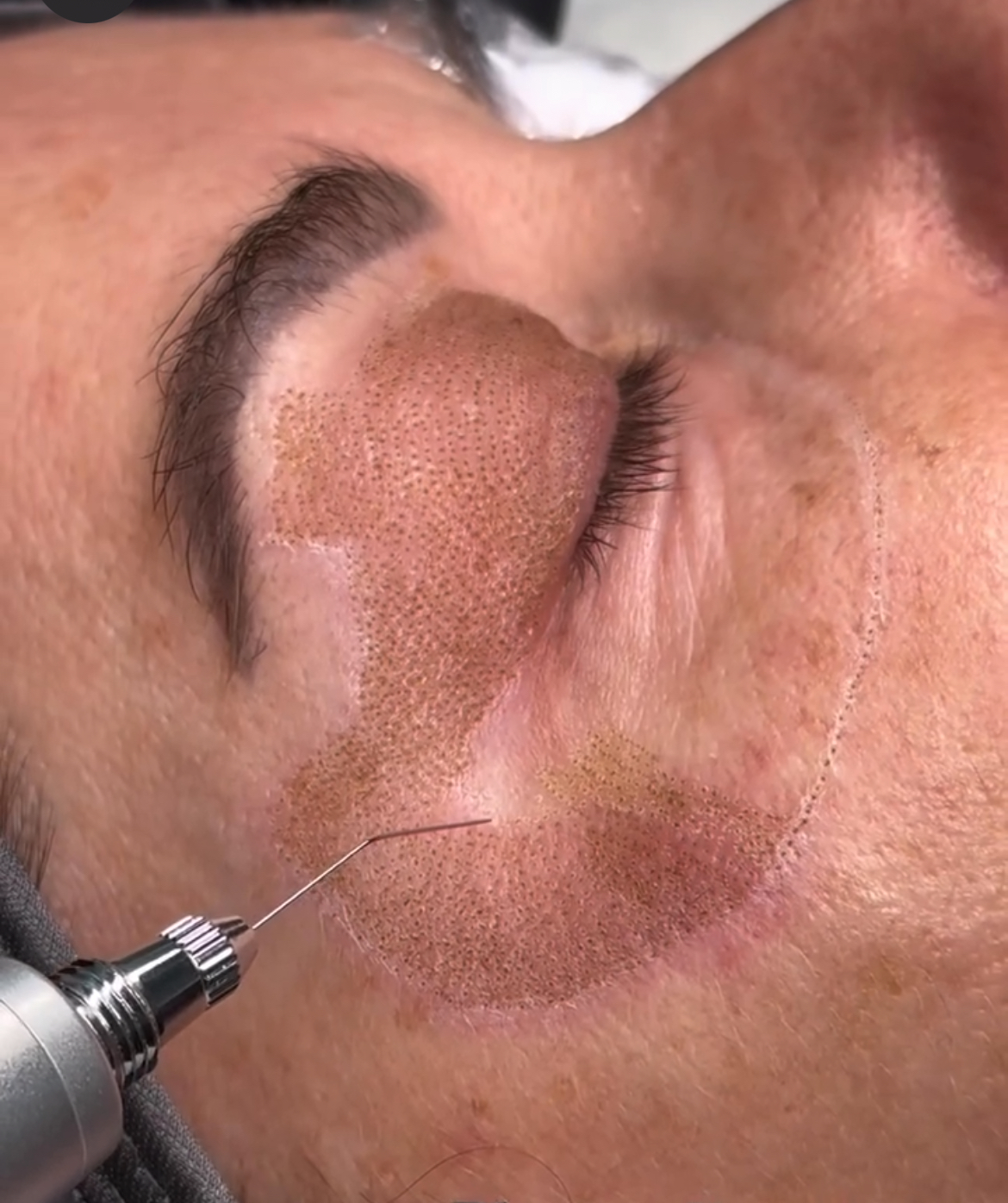
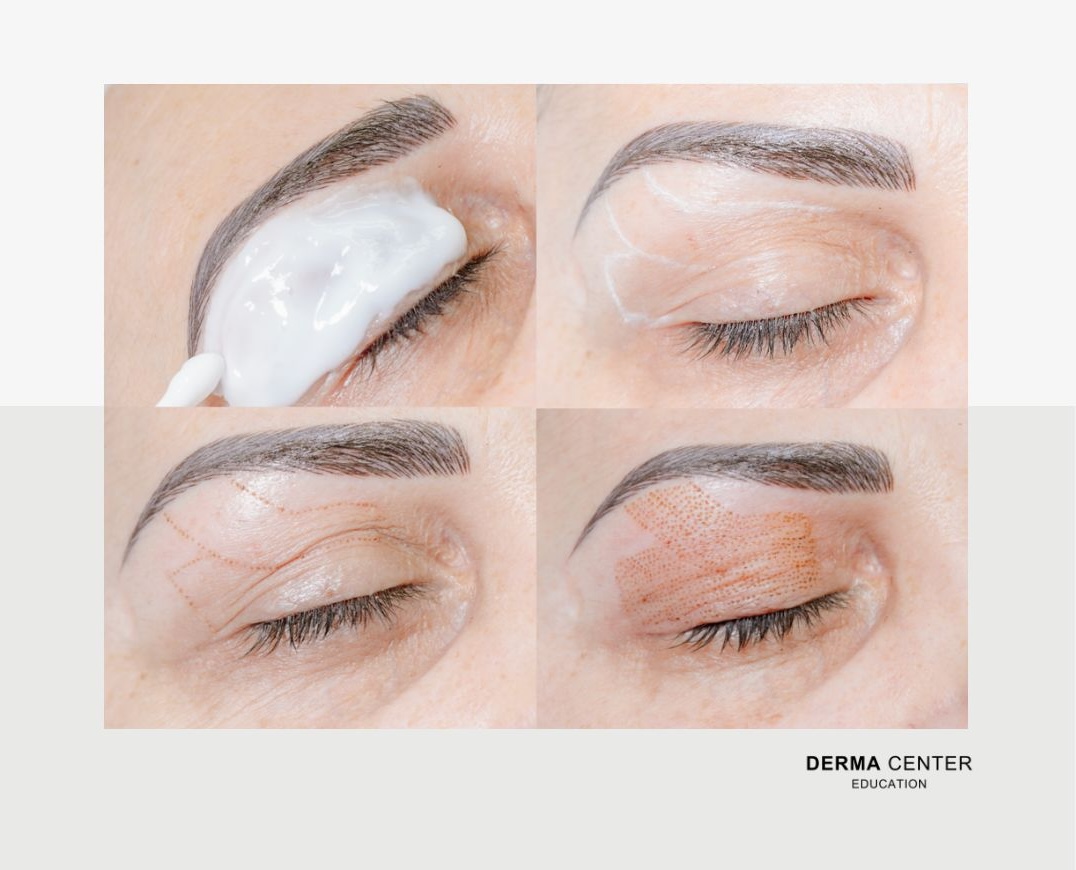
Plasma fibroblast therapy works by creating controlled micro-injuries on the skin’s surface using a plasma device. These micro-traumas stimulate fibroblast activity, leading to increased production of collagen and elastin—key components responsible for skin firmness and elasticity.
The treatment initiates a natural wound-healing response, which is the foundation of the rejuvenation process.
The Healing Process: Step by Step
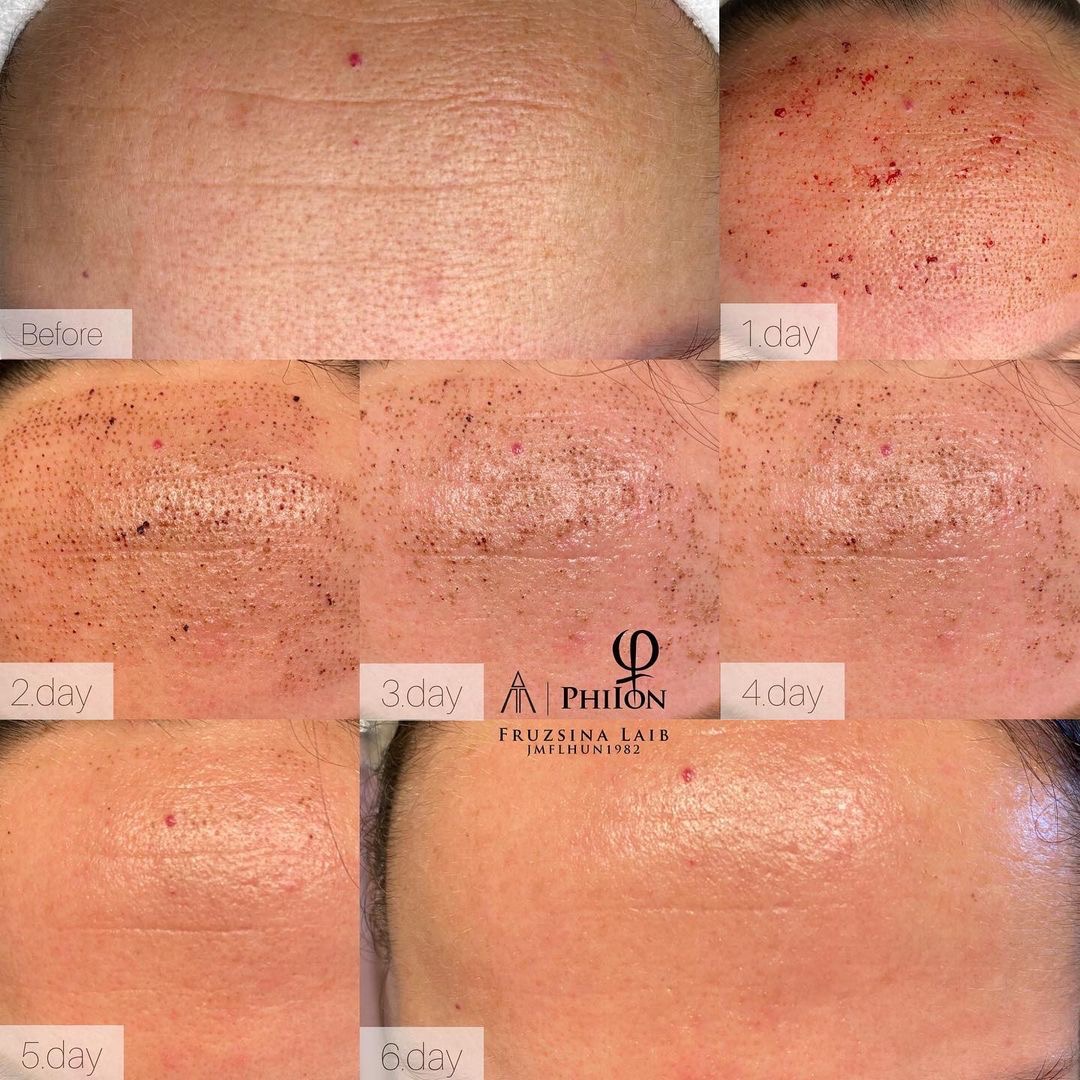
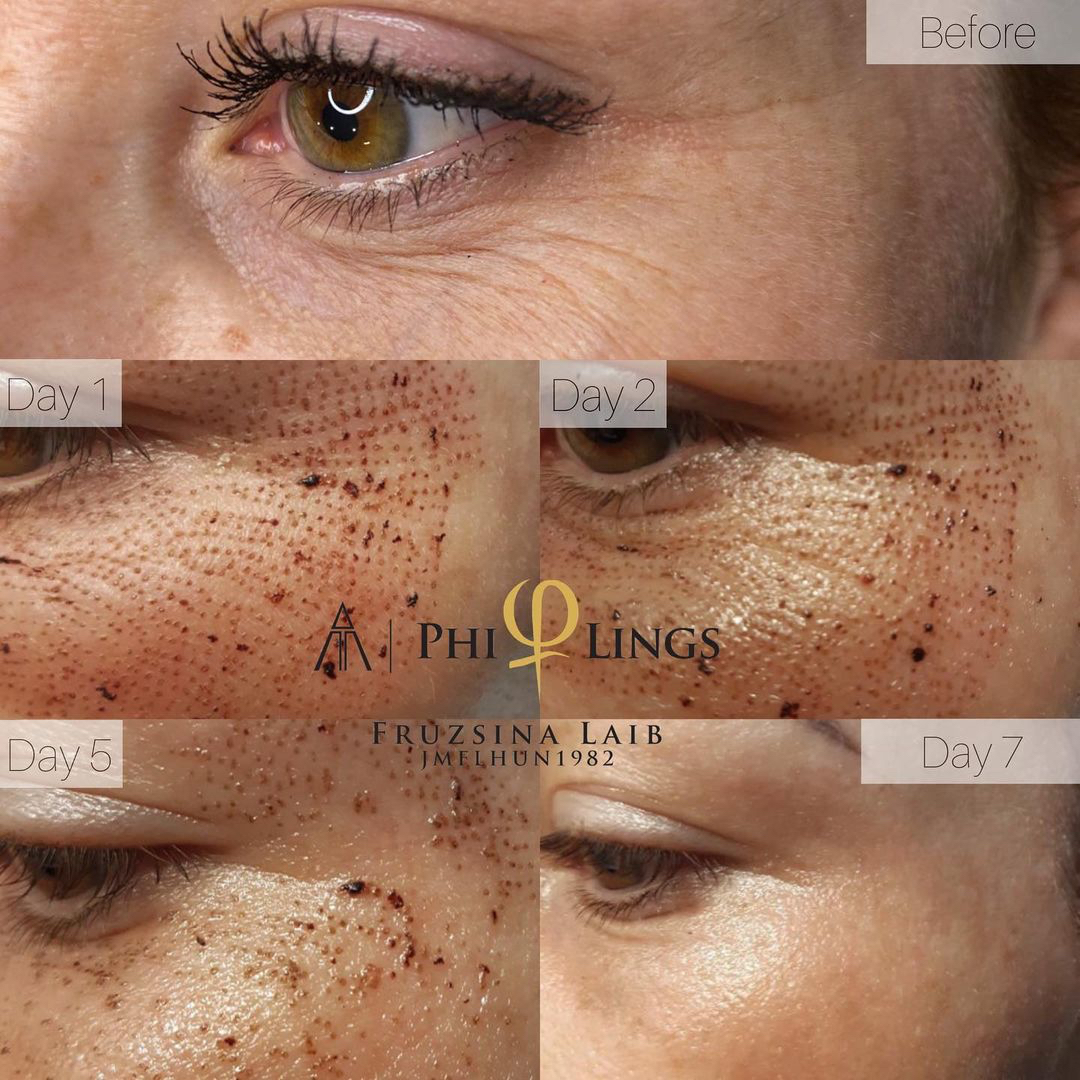
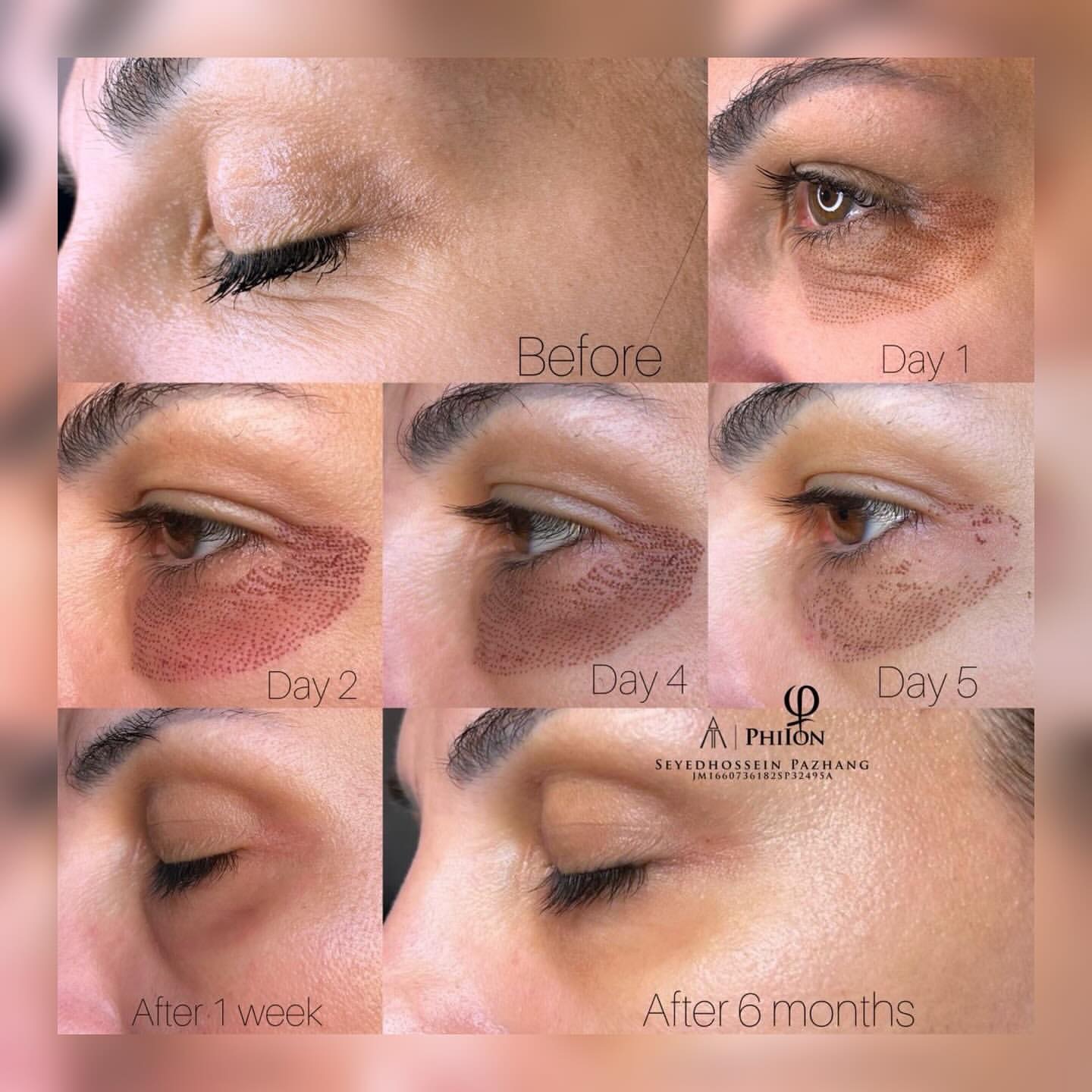
1. Immediate Response (Day 0–1)
Right after the treatment, the skin typically presents:
- Mild to moderate redness (erythema)
- Swelling (edema), especially in delicate areas such as around the eyes
- Small carbon crusts (also known as “dots”) at treatment points
Clinical insight:
This is an acute inflammatory phase, where the body increases blood flow and immune activity to begin tissue repair.
2. Inflammatory Phase (Days 1–3)
During this phase, swelling may peak, and the skin can feel:
- Warm and tight
- Sensitive to touch
- Slightly itchy
Important:
This is a normal physiological response and not a complication, provided it remains within expected limits.
3. Crusting & Drying Phase (Days 3–7)
The carbon crusts begin to dry and gradually detach on their own.
- Crusts should never be manually removed
- Premature removal can lead to complications such as:
- Post-inflammatory hyperpigmentation (PIH)
- Scarring
- Delayed healing
Best practice:
Allow natural desquamation to occur to protect the regenerating epidermis.
4. Re-epithelialization (Days 5–10)
New skin forms beneath the crusts:
- Skin appears pink and fresh
- Mild sensitivity may persist
- Barrier function is still compromised
Clinical note:
This stage is critical for maintaining skin hydration and preventing infection.
5. Remodeling Phase (Weeks 2–8+)
Collagen remodeling continues beneath the surface:
- Gradual tightening and lifting effect
- Improved skin texture and tone
- Long-term results become more visible
Scientific perspective:
Collagen synthesis and tissue remodeling can continue for several weeks to months, depending on individual factors such as age and skin condition.
Post-Treatment Care: Key to Optimal Results
Proper aftercare significantly influences the healing outcome and minimizes risks.
Essential Guidelines:
- Avoid sun exposure and use broad-spectrum SPF
- Keep the area clean and dry during initial days
- Do not pick or scratch crusts
- Avoid active skincare ingredients (retinoids, acids) until fully healed
- Use recommended healing products to support skin recovery
Common Side Effects vs. Complications
Expected (Normal):
- Redness
- Swelling
- Mild discomfort
- Temporary pigmentation changes
Potential Complications (If Protocol Is Not Followed):
- Infection
- Scarring
- Hyperpigmentation
- Prolonged inflammation
Professional responsibility:
Correct technique, proper client selection, and detailed aftercare instructions are essential to avoid adverse outcomes.
Factors That Influence Healing
Healing time and results can vary depending on:
- Skin type (Fitzpatrick scale)
- Treatment intensity
- Area treated
- Client’s overall health and lifestyle
- Adherence to aftercare instructions
The healing process after a plasma fibroblast treatment is a controlled and predictable biological response when performed correctly. Understanding each phase allows practitioners to educate their clients effectively and manage expectations with confidence.
Safe practice, precise technique, and proper aftercare are the foundation of achieving consistent, high-quality results—without compromising skin integrity.
Looking to master safe and effective plasma fibroblast techniques?
Join a professional training program designed to help you achieve reliable results while prioritizing client safety.
%202.JPG)